

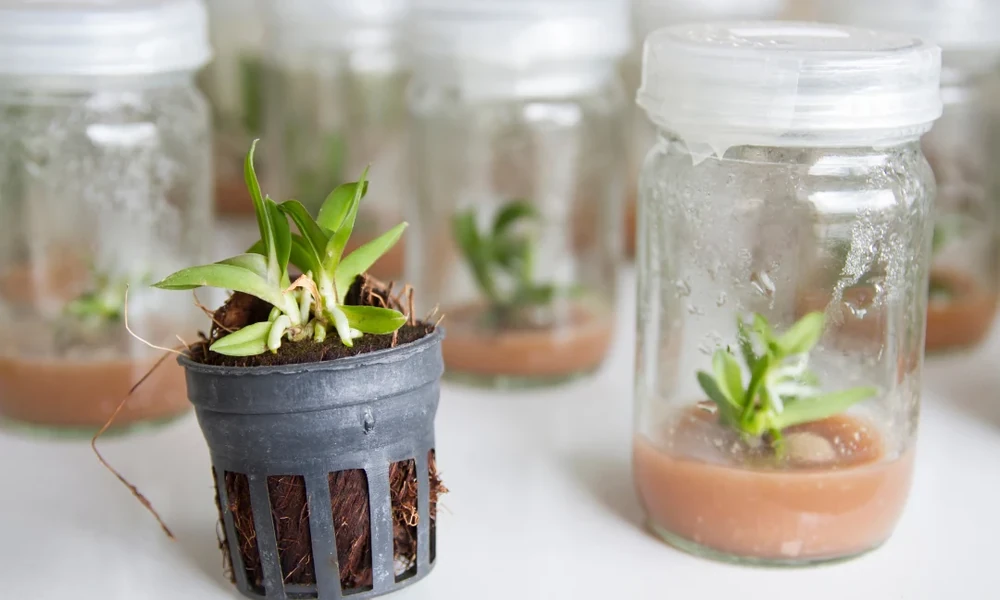
Orchid nurseries need variety, consistent quality, and dependable supply. Tissue-cultured plantlets help growers plan production across different cultivars. A reliable tissue culture lab in thai can support nursery expansion through controlled propagation and uniform batches. Success depends on selecting suitable varieties, checking plantlet health, and matching stock volumes with customer demand. With sound planning, nurseries can broaden their collections while maintaining predictable production schedules and manageable growing costs.
Build a Broader Orchid Variety Portfolio
A balanced catalogue serves distinct buyer preferences. Phalaenopsis attracts indoor décor and gift markets. Dendrobium suits cut-flower production and tropical displays. Vanda adds vibrant colours and distinctive aerial roots. Cattleya brings large, showy blooms to premium collections. Selecting complementary types helps nurseries reach retailers, collectors, and landscape businesses.
Select Plantlets That Match Demand
Before ordering, nursery managers should assess sales patterns and cultivation capacity. Tissue-cultured stock supports larger production runs than conventional division. However, each cultivar requires suitable environmental conditions. A practical buying checklist includes:
- Choose varieties with proven local demand.
- Confirm cultivar names and batch identification.
- Check roots, foliage, and visible contamination.
- Match delivery volumes with available growing space.
Source Consistent Stock From Reliable Laboratories
Supplier quality influences the nursery’s entire production cycle. A tissue culture lab in thai can supply selected orchid varieties for planned commercial cultivation. Buyers should request batch records, health documentation, and cultivar specifications. Reliable traceability helps identify discrepancies before stock reaches retail benches.
Which Varieties Suit Different Customers?
Product selection should reflect the intended sales channel. For example, florists may favor flowering Dendrobium cultivars. Home gardeners often prefer compact Phalaenopsis plants. Landscape projects can require vigorous Vanda selections. A diversified inventory also benefits from:
- White and purple flowering selections.
- Compact varieties for indoor arrangements.
- Long-stem cultivars suited to floral sales.
- Premium specimens for specialist collectors.
- Distinct bloom seasons across selected varieties.
Can Better Acclimatization Reduce Losses?
Plantlets leaving sealed culture vessels face sudden environmental changes. Their leaves and roots need time adapting to nursery conditions. Begin with filtered light, suitable humidity, and clean growing media. Increase ventilation gradually as new growth develops. Separate incoming batches for inspection before combining them with established inventory. This approach limits cross-contamination and helps staff identify weak plants early.
Turn Variety Into Long-Term Nursery Value
Inventory expansion works best when plant maturity aligns with actual orders. Maintain separate records for incoming batches, acclimatization losses, and saleable quantities. Those figures reveal which cultivars deserve repeat purchases. Over time, a nursery can build its catalogue around reliable performers rather than tying capital up in slow-moving stock.
FAQs
1. Why choose tissue-cultured orchid plantlets?
They support large-scale propagation and consistent cultivar characteristics. Batch quality still depends on laboratory standards and handling.
2. Which orchid varieties suit commercial nurseries?
Phalaenopsis, Dendrobium, Vanda, and Cattleya offer different market opportunities. Selection should reflect local demand and growing conditions.
3. What should buyers check before ordering?
Verify cultivar identity, plantlet condition, supplier records, and delivery specifications. Confirm minimum quantities and shipping requirements before purchase.
4. How can nurseries protect young plantlets?
Provide filtered light, suitable humidity, and clean growing media. Gradual acclimatization helps young orchids adapt to nursery conditions.
