

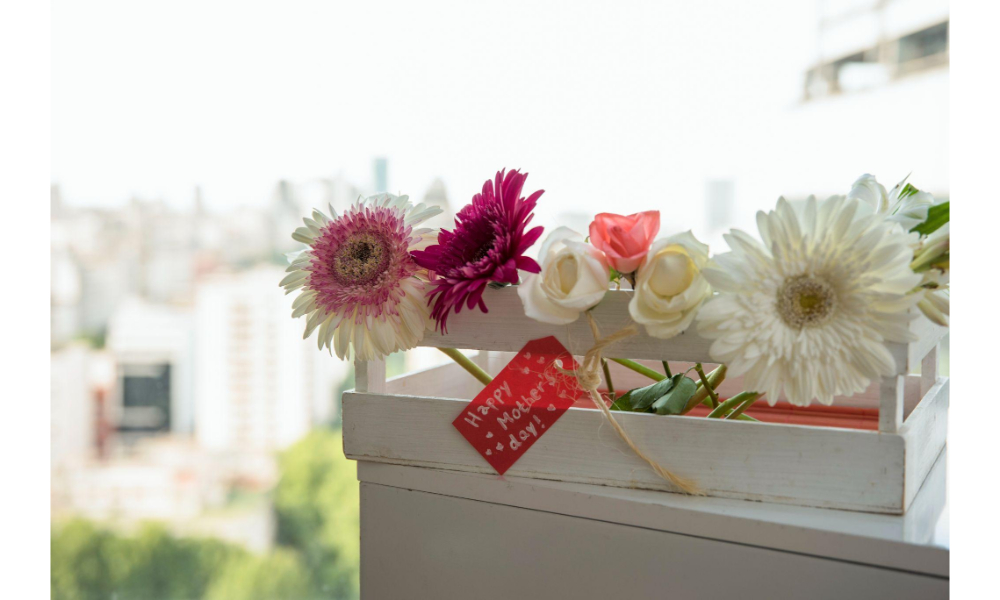
When the arrangement does not align with the intention behind it, a moment of giving can turn clumsy. A small shift in handling may undo what seemed effortless during planning. Before we look at practical steps, it helps to understand how these concerns develop in the first place. A flower box is handy and helpful because its structure reveals lessons that apply well beyond gifting. This gentle pause helps frame the concerns in a clearer light. A clearer sense of context steadies the mind before any adjustments begin. Several issues happen and knowing why these happen help you how to avoid them.
Misjudging Proportion and Space
Visual balance collapses quickly when stems are packed too tightly or placed too sparsely, creating an uneven impression that distracts from the gesture. Many overlook how a flower box relies on measured proportions to hold its charm, which means an off-centre layout becomes more noticeable than expected. This can be avoided by placing larger blooms first, letting smaller accents fill the gaps at a relaxed pace. Table flowers offer a helpful reference point since they show how breathing space around each bloom helps the eye settle. A small adjustment like this keeps the arrangement from feeling tense.
Overlooking Water Management and Stem Care
A surprising amount of frustration comes from moisture issues that weaken stems faster than anticipated. Poor trimming angles or irregular watering disrupt the flow that keeps flowers fresh, which explains why some displays fade sooner than hoped. A flower box depends on steady hydration through floral foam or liners, so the slightest lapse influences the overall lifespan. Table flowers reinforce this idea as their exposed stems reveal how even cuts and clean water encourage resilience. Keeping these habits simple ensures your arrangement stands a stronger chance of lasting through the intended moment.
Mixing Incompatible Flowers
Some blooms thrive side by side, while others release compounds that cause their neighbours to wilt. Many encounter this without realising the cause, assuming the decline is unpredictable. A flower box highlights this sensitivity because enclosed spaces magnify any reaction between varieties. Gentle pairing, such as placing hardy blooms next to more fragile ones, reduces the risk of early collapse. Table flowers provide another guide, showing how open arrangements allow airflow that prevents such cramped interactions. Thinking a step ahead prevents surprises that may otherwise repeat.
Ignoring Placement and Surroundings
Arrangements suffer when placed near direct sunlight, draughts or heat sources, which are small details that slip past even the most careful giver. A flower box reacts quickly to environmental shifts because its container absorbs warmth and transfers it to the stems. A cooler surface or shaded table can turn the experience around without requiring any redesign. Table flowers remind us how location shapes mood, inviting you to consider the angle from which the arrangement will be viewed. A moment spent adjusting the setting often saves the entire display from unnecessary decline.
Rushing the Final Touches
A hurried hand leaves awkward angles, uneven layers or loose filler stems that lessen the arrangement’s clarity. Slowing down during the last stage creates space to notice what still feels unsettled. A flower box benefits from this pause because its container can exaggerate asymmetry if the lid or frame sits slightly off. Table flowers illustrate how a final sweep of adjustments helps the eye read the arrangement without stumbling. This brief review anchors the outcome with more confidence.
Recurring issues stem from proportion, care, environment and small habits that gather quietly over time. A flower box teaches how structure influences longevity, while table flowers show the value of steadiness and calm pacing. Paying attention to these cues brings ease into the creative process and steadies the effort behind your arrangement.
Contact Little Flower Hut to enquire about thoughtful arrangements or styling guidance.
